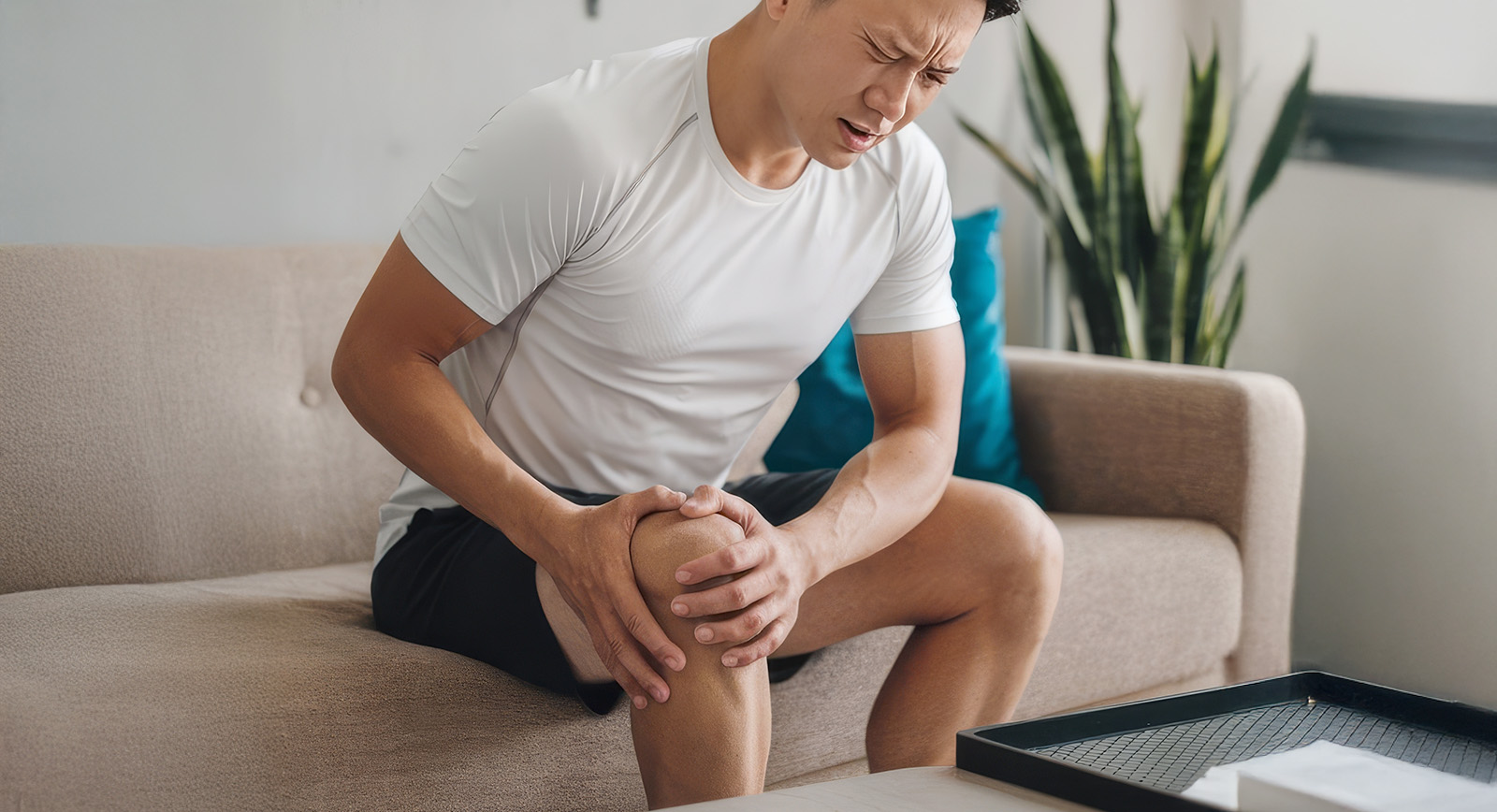
Knee pain is a prevalent issue affecting individuals of all ages and activity levels. The complexity of the knee joint makes it susceptible to a wide range of injuries and disorders. Understanding the various causes of knee pain is essential for effective treatment and prevention.
Anatomy of the Knee Joint
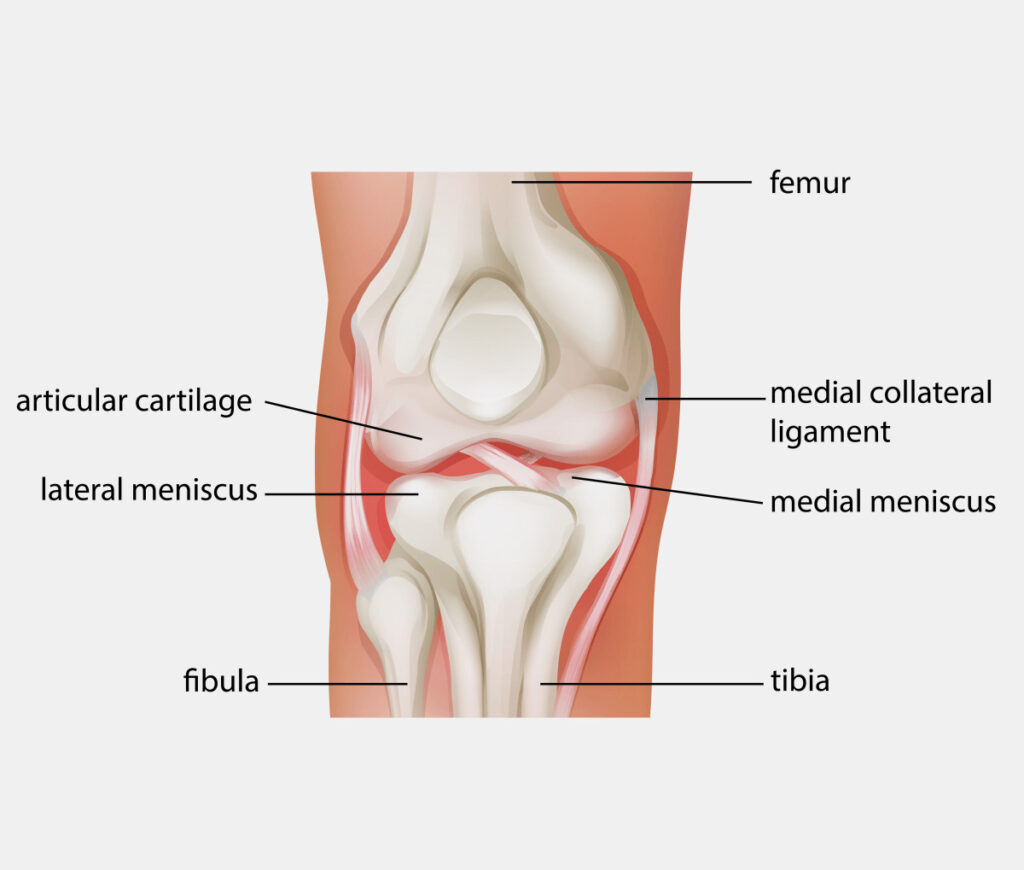
To fully grasp the causes of knee pain, it’s important to understand knee anatomy. The knee joint comprises bones, cartilage, ligaments, tendons, and muscles:
Osteoarthritis is the most common degenerative condition causing knee pain, characterized by cartilage deterioration. As the cartilage wears away, bones rub directly against each other, causing inflammation, stiffness, and pain. Osteoarthritis commonly affects older adults, though younger individuals can experience symptoms due to previous injuries or obesity.
2. Inflammatory Conditions
Rheumatoid arthritis (RA) is an autoimmune disorder that leads to joint inflammation. RA affects the lining of the joints (synovium), causing painful swelling, joint deformity, and erosion of bone and cartilage.
Gout is another inflammatory arthritis type, caused by uric acid crystals accumulating in the knee joint, leading to sudden, severe pain and swelling.
(Insert diagram illustrating inflamed knee joint in rheumatoid arthritis.)
3. Injuries
Ligament Injuries:
Anterior Cruciate Ligament (ACL) tear: Often caused by sudden stops or changes in direction, especially in sports like basketball or soccer. Symptoms include swelling, instability, and significant pain.
Posterior Cruciate Ligament (PCL) tear: Typically occurs from a direct blow to the front of the knee, common in car accidents or sports collisions.
Collateral Ligament injuries (MCL and LCL): Caused by forceful blows or twisting of the knee joint.
Meniscal Tears:
Meniscal tears occur due to twisting motions while bearing weight. These injuries can cause a popping sensation, swelling, stiffness, and locking of the knee.
Tendonitis:
Tendonitis, such as patellar tendonitis, is inflammation of the tendons around the knee, often resulting from repetitive stress or overuse, commonly seen in athletes involved in jumping sports.
Bursitis:
Bursitis involves inflammation of small fluid-filled sacs (bursae) cushioning the knee joint. Bursitis is typically caused by repetitive motion or prolonged kneeling.
4. Overuse and Repetitive Strain
Conditions like Runner’s Knee (patellofemoral pain syndrome) are caused by repetitive strain. Symptoms include dull aching around the kneecap, aggravated by activities such as running, squatting, or climbing stairs.
5. Trauma
Acute knee trauma from falls, sports injuries, or accidents can result in fractures, ligament ruptures, or cartilage damage. Such trauma often requires immediate medical attention.
6. Biomechanical Issues
Biomechanical abnormalities, such as misalignment, poor gait patterns, or flat feet, can increase stress on the knee joint, leading to pain and degenerative changes over time. Custom orthotics or physical therapy often help manage these issues effectively.
Risk Factors for Knee Pain
Several factors increase the likelihood of developing knee pain:
Age: Knee pain prevalence increases with age due to wear-and-tear conditions like osteoarthritis.
Sports Participation: High-impact sports increase the risk of acute and overuse injuries.
Previous Injuries: Prior knee injuries predispose individuals to future issues.
Muscle Weakness: Weak or inflexible muscles offer inadequate knee joint support, increasing vulnerability to injury.
Prevention of Knee Pain
Prevention strategies include:
Maintaining Healthy Weight: Reduces stress on joints.
Regular Exercise: Strengthens muscles supporting the knee, enhancing joint stability.
Proper Technique and Equipment in Sports: Reduces injury risk.
Adequate Rest and Recovery: Allows knee tissues to heal properly.
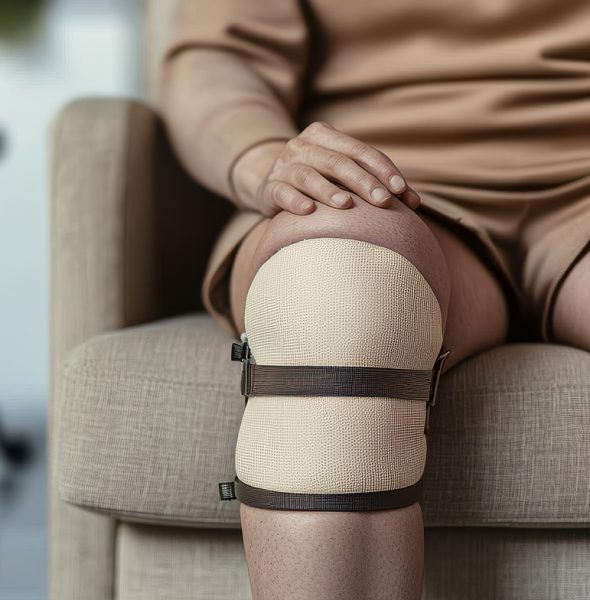
Using Braces or Orthotics: Provides joint support, improves alignment, and prevents strain.
Our Services
EFFECTIVE SOLUTIONS
Facing persistent knee pain? Take control of your mobility and comfort—schedule your consultation today and begin your journey towards relief with personalized, expert care.
Contact us
The quickest way to reach us is WhatsApp or a phone call. We answer during clinic hours and will tell you honestly whether you need to be seen.